

WOMAN’S CLINIC PRENATAL CARE
Our prenatal care guide explains what to expect during the early parts of pregnancy as well as nutrition information.

This first prenatal care pamphlet will guide you through your pregnancy. Everything you need to know from nutrition information to what to expect in your and your baby’s changing bodies.

The second prenatal care pamphlet explains what to expect from the second trimester to the end of your pregnancy. Any questions about labor and delivery should be answered here.
PREGNANCY GUIDE
Weeks 1 to 40
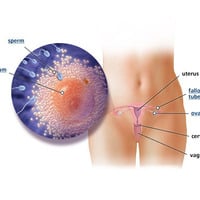
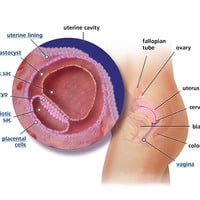
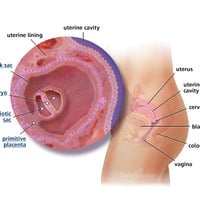
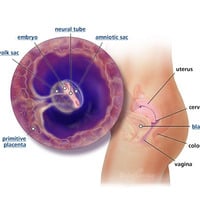
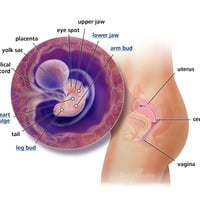
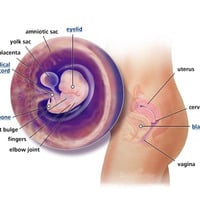

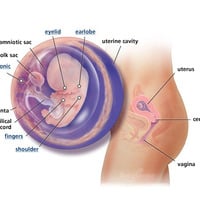

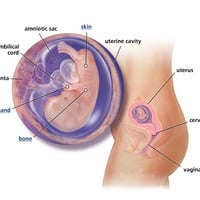
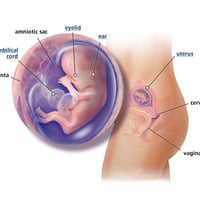

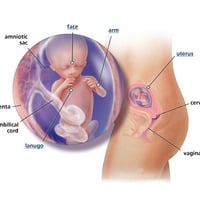
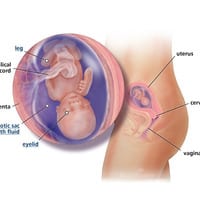
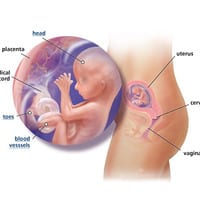
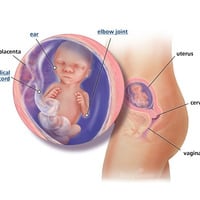
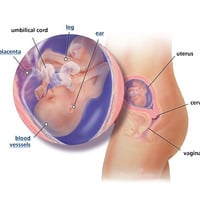
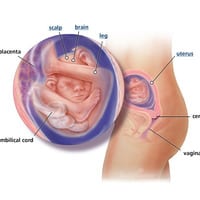
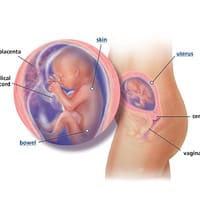
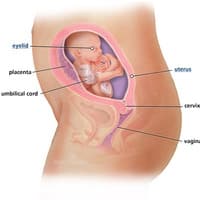
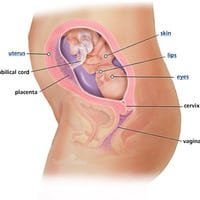

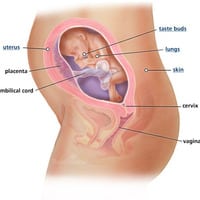
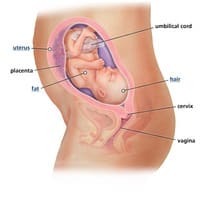
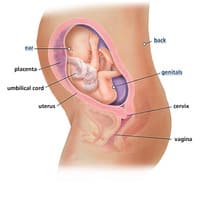

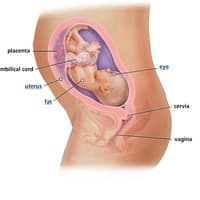


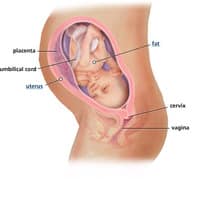
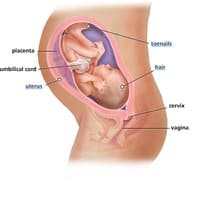
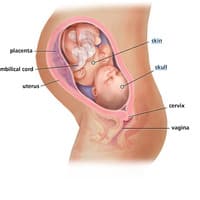
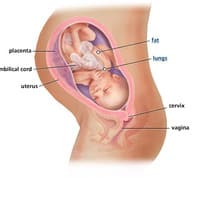
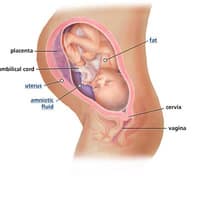


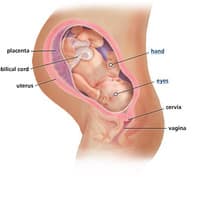


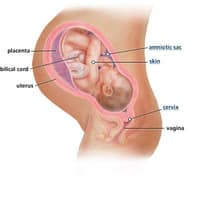
Photos originally published by BabyCenter, L.L.C.
First Trimester
Week 1:
Fetal Developments:
• Conception has not yet occurred.
Maternal Changes:
• Menstrual period has just started
• If you have not yet begun to use healthy eating and living habits, start now.
Week 2:
Fetal Developments:
• Still nothing
Maternal Changes:
• Eggs are ripening
• Uterus is replenishing its lining with new vascularized tissue
Week 3:
Fetal Developments:
• Conception occurs by the uniting of the male sperm fertilizing the female egg in one of the woman’s fallopian tubes
Maternal Changes:
• A ripened egg is released into one of your fallopian tubes
Week 4:
Fetal Developments:
• The blastocyte, which forms the placenta and the baby, implants into the lining of the uterus
Maternal Changes:
• Fatigue
• Breast soreness
• Mood swings
Week 5:
Fetal Developments:
• Has 3 layers
• Ectoderm (top layer)- the neural tube, which will grow into the nervous system, is formed
• Mesoderm (middle layer)- the circulatory system is presently formed here
• Endoderm (inner layer)- the pancreas, liver, intestines, and bladder are formed from the endoderm tube
Maternal Changes:
• Increased frequency of urination
• Swollen breasts (from enlarging mammary glands)
• Breast tenderness
• Hunger
• Nausea
Week 6:
Fetal Developments:
• 1/17 of an inch long
• Now considered an embryo
• Umbilical cord develops
• Ears, eyes, and opening for the mouth begin to form
• 1st heartbeats
• Heart begins pumping blood
• Most organs have begun forming
• Buds, that will eventually become the arms and legs, form on the body
Maternal Changes:
• Morning sickness
• Avoid substances that could harm the baby
• i.e. alcohol, drugs, and treatments with harsh chemicals (perms, hair coloring, and manicures)
Week 7:
Fetal Developments:
• 1/3 of an inch long
• Arms and legs continue to develop
• Fingers and toes have not yet formed
• Eyes, brain, nostrils, bronchi, intestines, and pancreas continue to grow
Maternal Changes:
• Symptoms from Week 6
• Slight weight change
•Loss of a few pounds
•Gain of a few pounds
• You are still not “showing”
Week 8:
Fetal Developments:
• Elbows and fingers begin to develop
• The leg buds start to form feet with notches for the toes
• Ears, eyes, and tip of the nose appear making the face more defined
• Teeth develop under the gums
• Intestines form in the umbilical cord
Maternal Changes:
• Waistline may be slightly expanding as your uterus is approximately the size of an orange
• Because of changing hormones, you may experience oily skin and acne
Week 9:
Fetal Developments:
• Bones and cartilage begin to form
• Eye continues to form
• Tongue begins to develop
• Intestines move from umbilical cord to abdomen
• Fingers and thumb form but are short and webbed
Maternal Changes:
• Breasts are fuller and more sensitive
• Waistline is growing
• Heartburn
• Indigestion
Week 10:
Fetal Developments:
• Baby begins moving
• Most of the joints are now formed
Maternal Changes:
• Morning sickness may abate
• Moodiness
• Veins might become more prominent due to increased blood flow
Week 11:
Fetal Developments:
• The baby (now considered a fetus) will grow from approximately one inch to approximately two inches
• Eyelids fuse shut
• Irises begin to develop
• Placenta starts to function as blood is circulated between the baby and the uterus
Maternal Changes:
• Appetite may be better
• Uterus is approximately the size of a grapefruit
Week 12:
Fetal Developments:
• Fingers and toes separate
• Hair and nails begin to grow
• Genitals begin forming
• As the baby’s kidneys excrete urine, amniotic fluid accumulates
• Peristalsis begins in the intestines
Maternal Changes:
• Because the uterus moves up and forward, less pressure will be on your bladder, which means you will most likely have less trips to the bathroom
• Fatigue may subside
• Headaches and light-headedness result from an increased blood volume
Second Trimester
Week 13:
Fetal Developments:
• Eyes move closer together from the sides of the head
• Ears move to a typical position of the head
• Vocal cords begin forming
• Liver starts to secrete bile
• Pancreas begins producing insulin
• Intestines migrate farther into the baby’s body
Maternal Changes:
• Abdominal achiness from the stretching uterus
• Round ligament pain from the stretching of the ligaments that keep the uterus in place
Week 14:
Fetal Developments:
• 3 1/2 inches long
• 1-2 ounces
• Inhaling and exhaling movements are practiced
• Face continues to develop as eyes and ears move and develop
• Neck elongates
• The baby’s chin no loner rests on his/her chest
• The functioning of the hands improves
• Placenta nourishes the baby
Maternal Changes:
• Decrease of early pregnancy symptoms
• Constipation
• Changing breasts
• Dilated veins in the chest/breast area
• Darkened and growing areolas
Week 15:
Fetal Developments:
• The skin is thin and transparent
• The bones are getting harder
• Lanugo covers the baby’s body
Maternal Changes:
• Your uterus is about 3-4 inches below your navel
Week 16:
Fetal Developments:
• Fetal movement may be felt by the mother, due to the hardening of the baby’s bones
• Legs are longer than the arms
• Fingernails and toenails are growing
Maternal Changes:
• Stuffy nose
• Nosebleeds
• Abdominal pain and achiness
Week 17:
Fetal Developments:
• Reflexes are now in place
• Fat accumulates under the skin
• Baby’s heart pumps about 25 quarts of blood per day
Maternal Changes:
• Your uterus is approximately 1 1/2-2 inches below your navel
• At this point, the average weight gain for the mother is 5-10 pounds
Week 18:
Fetal Developments:
• Around half a pound
• On the fingertips and toes, pads are formed
• Rather than looking to the sides, the eyes begin to look forward
• The baby’s first bowel movement, meconium, is gathering in the bowel
Maternal Changes:
• Your uterus is right under your navel
Week 19:
Fetal Developments:
• Vernix Caseosa, which is a cheesy substance that protects the baby’s skin from the aquatic environment of the womb, forms on the skin
Maternal Changes:
• Skin changes
• Blotchy patches on chin, cheeks, nose, and forehead
• Itchy skin
• Dry and flaky skin
• Rashes
• Stretch marks
Week 20:
Fetal Developments:
• If a girl, the baby’s uterus begins developing
• Hair on the scalp starts to grow
• The baby is asleep and awake in the womb for the same amounts as it will once born
Maternal Changes:
• Your uterus now reaches your navel
• The line between your belly button and pubic hair, linea nigra, has now darkened
Week 21:
Fetal Developments:
• The baby’s legs are continuing to grow to their normal proportions
• His/her heart grows stronger
Maternal Changes:
• At this point, the average weight gain for the mother is between 10 and 15 pounds
• Your uterus is approximately 1/2 inch above your belly button
• Swelling in the ankles and feet
Week 22:
Fetal Developments:
• Weight is close to a pound
• Brain undergoes rapid growth
• Eyelids and eyebrows are now formed
• If a boy, his testes begin to descend to the scrotum from the pelvis
Maternal Changes:
• Weight will steadily be gained as your baby gains weight
• Your uterus is about an inch above your belly button
• Back pain/strain
Week 23:
Fetal Developments:
• Bones of middle ear are hardening
• Baby’s body is becoming better proportioned
Maternal Changes:
• Your uterus is approximately 1 1/2 inches above your uterus
• You may feel movement from the baby
• Extreme mood swings
Week 24:
Fetal Developments:
• Because the baby’s body is filling out at this stage, about 6 ounces will be gained
•This weight will come from muscle, bone mass, and growing tissues and organs
Maternal Changes:
• Your uterus is somewhere between 1 1/2-2 inches above the navel
Week 25:
Fetal Developments:
• The various structures of the spine begin to form
• Nostrils start opening
• The lungs’ blood vessels begin to develop
Maternal Changes:
• The pressure of the uterus may cause shooting pains in your legs and lower back
Week 26:
Fetal Developments:
• Approximately two pounds
• From head to rump, about nine inches long
• Alveolar air sacs begin to develop, as well as the surfactant that covers the lining of these air sacs
• Brain wave activity begins for the auditory and visual systems
Maternal Changes:
• Your uterus is approximately 2 1/2 inches above your navel
• “Braxton Hicks” Contractions
Week 27:
Fetal Developments:
• Brain and lungs continue to grow and develop
• Retinas start forming
• Eyelids start the process of opening
• 1/2 an inch of growth
Maternal Changes:
• Shortness of breath
Third Trimester
Week 28:
Fetal Developments:
• Eyelashes have formed
• Scalp hair continues to grow
• Eyes are formed
• Eyelids open
• Muscle mass grows
• Baby’s body is filling out
• Lungs now have the capability to breathe air
Maternal Changes:
• Your uterus is approximately 3 inches above your navel
• At this point, the mother’s average weight gain is somewhere between 17 and 24 pounds
Week 29:
Fetal Developments:
• Primitive thinking and body temperature control are now under the control of the brain
• Fat accumulates under the skin
• The baby’s head is in proper proportion with the rest of its body
• Eyes have the ability to move in the sockets
• Light, smell, taste, and sound are sensed
Maternal Changes:
• Itchy skin
• Hemorrhoids
• Leg cramps
• Achy muscles
• Continued shortness of breath
• Indigestion
• Heartburn
Week 30:
Fetal Developments:
• About 3 pounds
• Disappearance of lanugo
• Bone marrow controls red blood cell production
• Eyelids open and close
• Growth of toenails
Maternal Changes:
• Trouble sleeping
Week 31:
Fetal Developments:
• Brain undergoes rapid development
Maternal Changes:
• Aching abdomen
• Stretching uterus
• Your uterus is approximately 4 1/2 inches above your navel
Week 32:
Fetal Developments:
• Weighs 4 pounds
• Baby uses all five senses
• Hair on head continues to grow
• Toenails are fully formed
Maternal Changes:
• Your uterus is around 5 inches above your navel
• Heartburn
• Indigestion
• Shortness of breath
• Constipation
Week 33:
Fetal Developments:
• amniotic fluid is at its highest level for the pregnancy
• rapid brain growth causes the baby’s head to grow 3/8 of an inch
• the accumulation of fat under the skin changes the skin color from red to pink
Maternal Changes:
• You will start gaining a pound per week
• Mild edema
Week 34:
Fetal Developments:
• Developing immunities
• Eyes open when the baby is awake and close when the baby is asleep
Maternal Changes:
• Intensified Braxton Hicks Contractions
Week 35:
Fetal Developments:
• Approximately 5 1/2 pounds
• Arms and legs plump
• If a boy, the testes have fully descended
• Less room for the baby to move around in the uterus
Maternal Changes:
Week 36:
Fetal Developments:
• Fat increases on the elbows, knees, wrists, and neck
• Rigid gums
Maternal Changes:
• Average weight gain for the mother is somewhere between 25 and 30 pounds
Week 37:
Fetal Developments:
• Approximately 6 1/2 pounds
• Develops firm grasp
• Begins turning toward light
Maternal Changes:
• Increase in vaginal discharge and cervical mucus
Week 38:
Fetal Developments:
• An ounce per day might be gained
• Meconium is accumulating in the intestines
• The head and abdomen’s circumferences are about the same
Maternal Changes:
• False labor
Week 39:
Fetal Developments:
• Lungs are maturing
• Lung surfactant production increases
• Average weight is 7 pounds
Maternal Changes:
• Easier to breathe
• Increased frequency of urination
• Your uterus is 6 1/2 to 8 inches above your belly button
Week 40:
Fetal Developments:
• Approximately 7 1/2 pounds and 20 inches long
• Most of the Vernix Caseosa is gone
• Chest sticks out
• Baby’s body is 15% fat
Maternal Changes:
• Possible cervix changes to prepare for labor